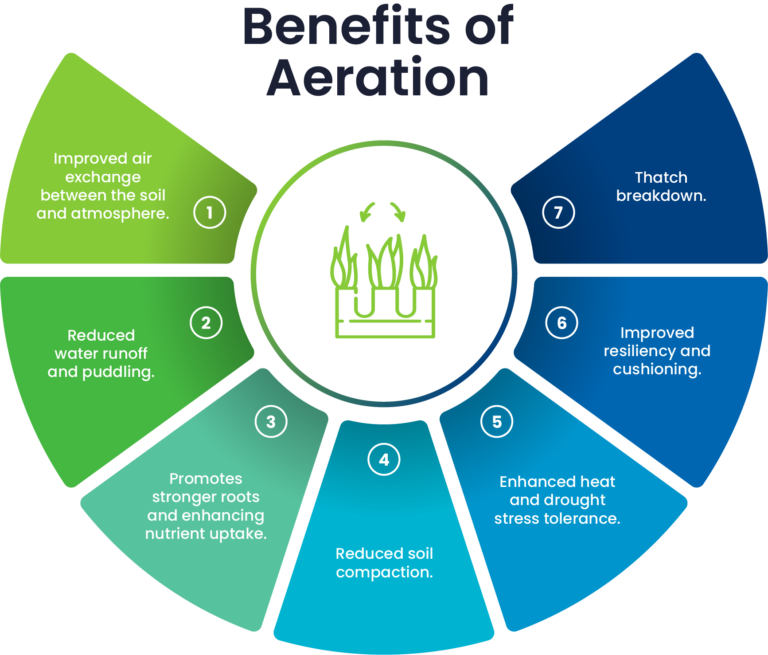
Aeration and overseeding are essential for maintaining a healthy, lush lawn. Over time, soil can become compacted, making it difficult for water, nutrients, and oxygen to reach the grassroots. Aeration helps alleviate this compaction by creating small holes in the soil, allowing the lawn to breathe and absorb essential nutrients more effectively. Overseeding, done in conjunction with aeration, introduces fresh grass seed to thicken your lawn and improve its overall health and resilience. Together, these processes promote stronger root systems, reduce bare patches, and help your lawn recover from stress, leaving you with a thicker, greener lawn year-round.
Fast. Easy. Convenient.
HOW IT WORKS: By entering your address below, you will be redirected to a secure site to select and pay for your Aeration & Overseeding services.
Why Aerate Your Lawn?
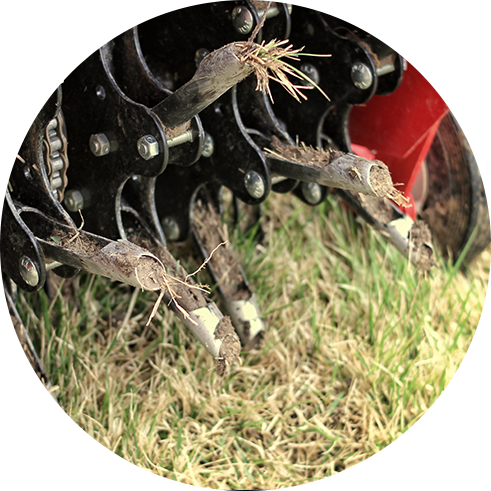
When you see small cylinders of soil scattered across a lawn and wonder, “What’s that about?”—that’s a sign of aeration. This annual task is key for many homeowners who prioritize a thicker, healthier lawn. Regular lawn maintenance, including yearly aeration, plays a significant role in enhancing your lawn’s health and appearance by allowing nutrients, water, and air to penetrate the soil effectively.
When Lawns Need Aeration
The best time to aerate your lawn is during the growing season so that the grass can fill in any open areas after soil plugs are removed. Ideally, you’d aerate your lawn in the early spring or fall.
It may not seem like your lawn is compacted or that it has enough traffic for it to become so, but it happens easier than you may think. Vehicles or small equipment driven on the lawn are obvious offenders, but a lot of playing in the yard or hosting parties can leave your lawn compacted.
If your grass looks stressed and the soil is hard to the touch, or rainwater puddles up where it used to be absorbed, you probably have a compaction problem.
What Do I Do After Aerating My Lawn?
After your lawn has been aerated, let the soil plugs dry where they fall. They’ll break down during the next rainfall or crumble when you mow next. They add beneficial soil and organic matter to your lawn surface.
Right after aeration is the perfect time to overseed and fertilize your lawn. Seeds and nutrients will have direct contact with the soil through the openings created during aeration, giving roots the direct and fresh pathways they need to grow.
Aerate Your Lawn with the Team You Trust
Get a jump start on a greener lawn with Pro Outdoor. With our irrigation expertise along with aeration services, there will be increased success in achieving a healthier lawn.
Give the Pro Outdoor team a call today (636) 223-8898 and get started on the aeration process.
Revitalize your outdoor space with our comprehensive Compost & Mulch Services.
With premium compost enriching your soil and carefully applied mulch providing a protective layer, your lawn will thrive, reflecting a sustainable and vibrant landscape. Choose our services to transform your outdoor haven into a flourishing and eco-friendly environment.
Dedicated Lawn Care Services Across the St. Louis Metro Area
Pro Outdoor provides expert lawn aeration and overseeding to revitalize residential and commercial properties throughout the following Missouri communities:
- Chesterfield, MO
- Lake St. Louis, MO
- Sunset Hills, MO
- And surrounding St. Louis Metro communities.
Frequently Asked Questions (FAQ)
Why is fall the best time for Aeration and Overseeding in St. Louis?
Fall provides the ideal conditions: warm soil for rapid seed germination and cooler air temperatures that reduce stress on new seedlings. This also perfectly prepares the lawn to absorb the nutrients from your fertilization memberships before winter, ensuring robust spring growth.
How will I need to adjust my irrigation system after overseeding?
Proper moisture is critical. After overseeding, your lawn requires frequent, light watering for the first 2-3 weeks to keep the new seeds moist. This may require temporarily adjusting your residential sprinkler Systems controller settings or consulting with our team about your irrigation memberships plan.
Can this service help a lawn that has severe thatch buildup?
Yes. Core aeration helps naturally break down thatch by pulling soil microorganisms up to the surface. For severe thatch or highly compacted areas, we recommend including the compost w/top dressing service, which accelerates thatch decomposition and soil conditioning.